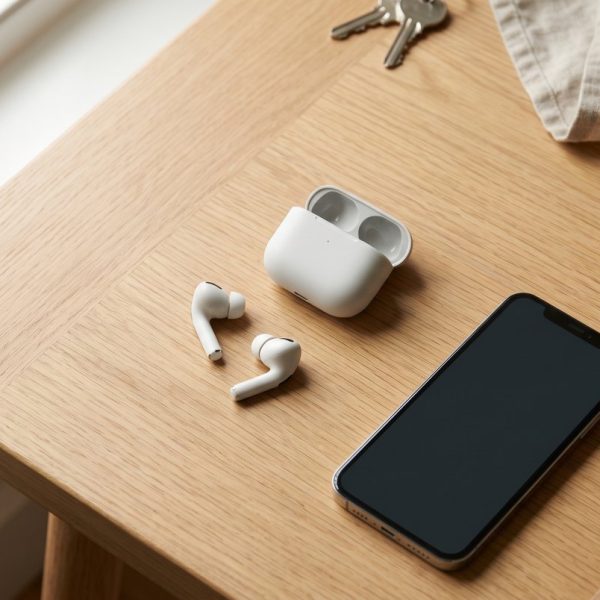
Shopping for wireless earbuds can feel like walking into a room where everyone is shouting a different number. Battery hours, driver sizes, codec names and noise cancelling claims all compete for your attention, and most of it matters less than the box suggests. If your budget is a hundred dollars or less, the good news is that the market has never been kinder. The best wireless earbuds under 100 now deliver sound, comfort and battery life that would have cost twice as much a few years ago.
This guide walks through what you can realistically expect at this price, which features are worth paying for, and which ones are mostly marketing. It is based on how these products behave in daily use rather than on spec sheets alone.
What a hundred dollars buys you today
At this level you can expect a stable Bluetooth connection, a charging case that adds three or four extra charges, and sound that is balanced enough for podcasts, playlists and video calls. Most models from established brands such as JBL, Soundcore, JLab and Sony's budget lines reach six to eight hours per charge, with the case stretching total playtime past 24 hours. That is more than enough for a work week of commuting.
What you usually give up is the polish. Cheaper earbuds tend to have simpler touch controls, lighter water resistance and microphones that struggle in wind. Active noise cancelling exists in this price range, but it is a gentle version of the effect. Think of it as taking the edge off a bus engine rather than silencing an airport.
Sound quality: what to listen for
Ignore the claims about bass boost for a moment and listen to a voice you know well. If a podcast host sounds natural and a vocal in a favourite song feels present rather than boxed in, the tuning is probably sound. Many JBL wireless earbuds lean warm with a friendly low end, while Sony wireless earbuds often aim for a more neutral balance. Neither approach is wrong, but your taste in music should guide the choice.
Fit and comfort decide whether you keep them
Before you compare anything else, think about how and where you will wear them. Runners need a wing or hook that holds the bud in place, while desk workers can choose a lighter, shorter stem design. Most brands include three sizes of silicone tips, and it is worth trying all three. People often assume they need the medium tip and discover that the small one stops the slow creep that makes earbuds fall out.
If you want a longer look at matching a pair to your habits, this guide on how to choose wireless earbuds that fit your daily routine covers the everyday scenarios in more depth, from commuting to the gym.
Battery life, cases and the small print
Battery claims are measured at moderate volume with noise cancelling off, so subtract roughly 20 percent for real life. A case that supports quick charging is a genuine convenience, since ten minutes on the charger commonly gives you an hour or two of playback. Wireless charging cases are rare under a hundred dollars, but a sturdy USB-C port is standard and far more useful than it sounds.
Features that are worth the extra money
A few extras repay their cost quickly. Multipoint connection lets the earbuds stay paired with your phone and laptop at once, which is handy for anyone who swaps between calls and videos. A companion app with an equaliser lets you correct a tuning you do not love. Ear detection that pauses music when you remove a bud sounds small, but you will miss it the moment it is gone.
It is also worth understanding the wireless standard behind it all. Bluetooth has improved steadily, and modern versions use far less power while holding a steadier link. The Wikipedia entry on Bluetooth article is a useful explainer if you want to know what the version numbers on the box really mean.
Do your homework before buying
Before you buy, spend ten minutes reading owner experiences. The community at the r/headphones community on Reddit is blunt about which budget models break after eight months and which ones quietly last for years. That kind of long-term feedback beats a launch-week review every time.
A simple way to decide
Start with fit, since a pair that hurts after an hour will end up in a drawer. Then pick the sound signature that suits your music, confirm the battery and water resistance meet your routine, and only then look at extras. If two models seem equal, choose the brand with the better app and a longer record of software updates.
Technology like this sits on a long chain of invisible engineering. Even something as ordinary as scanning a printed receipt to text relies on clever software, and the PoliLingua explainer on OCR scanning technology shows how much happens behind a simple tap on a screen.
The bottom line
You no longer need to spend serious money to get earbuds that sound good, last through the day and connect reliably. The best wireless earbuds under 100 are not compromises so much as sensible tools: comfortable, well tuned and honest about what they do. Spend a little time on fit, trust your ears over the marketing, and you will likely own a pair you reach for every single day.